Artisanal Touch- Unveil Our Ceramic Masterpieces
Experience the Magic of Molding and Creating with Clay!
Join Us.png)
ZUCH Studio Selection
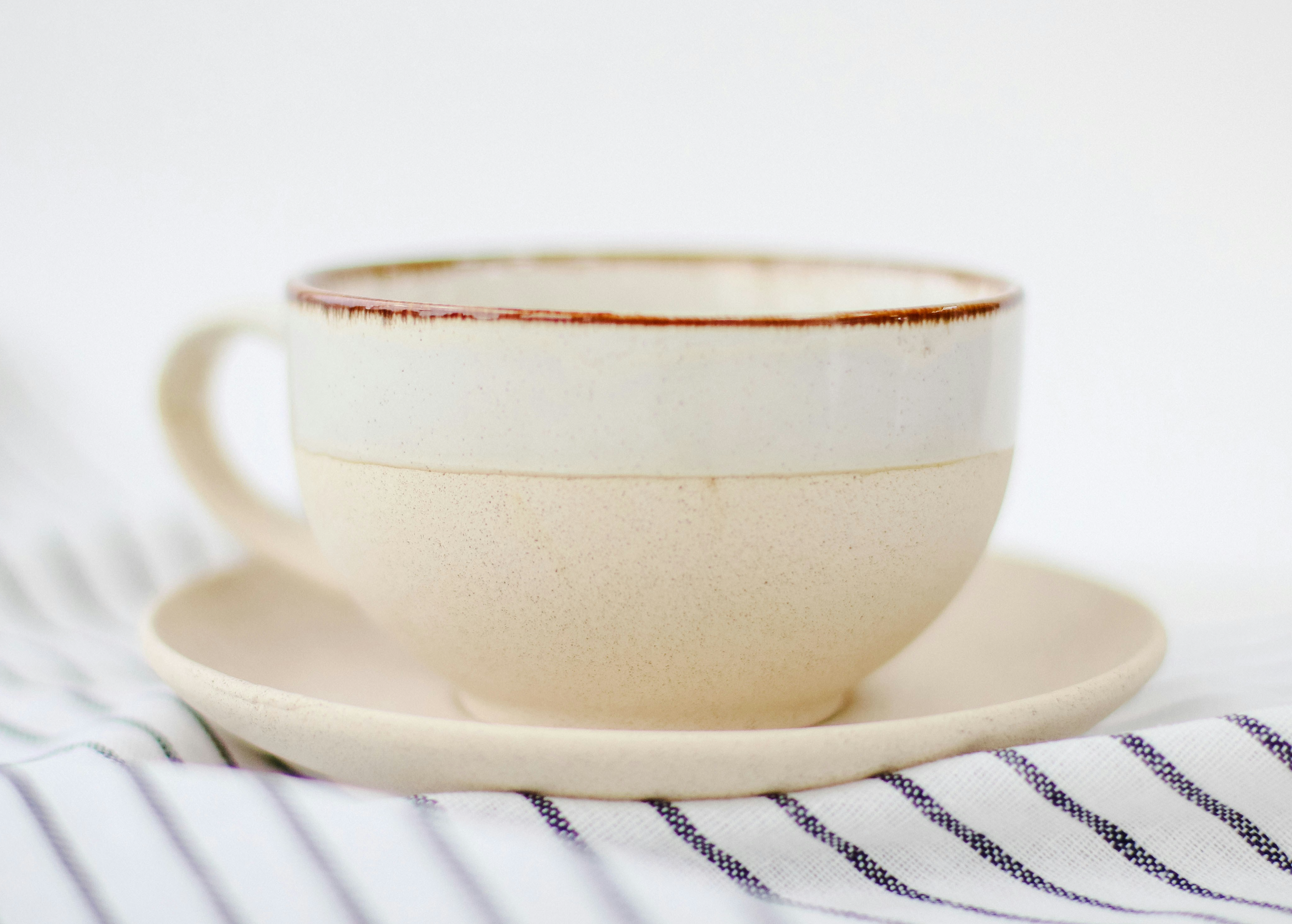
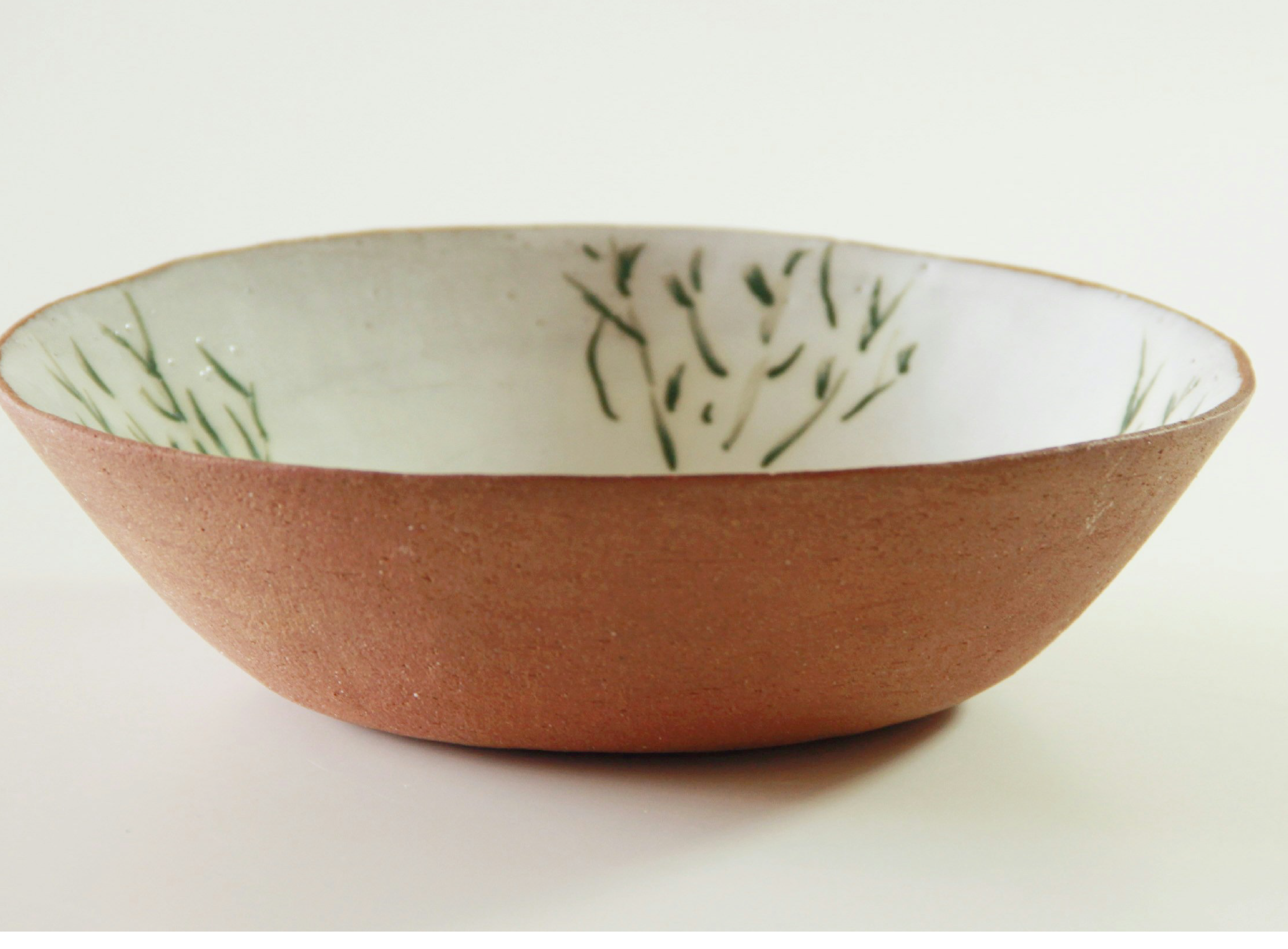
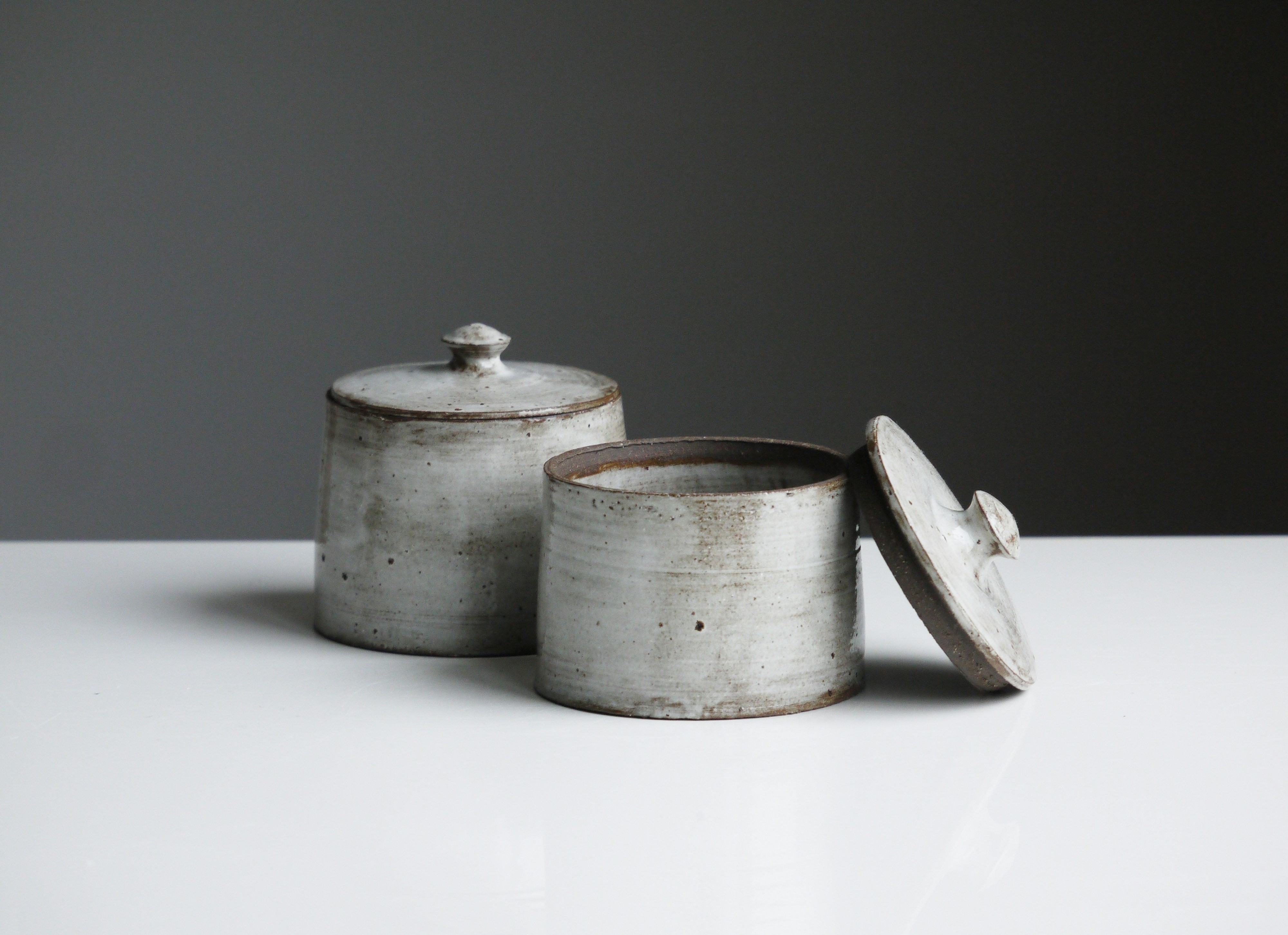
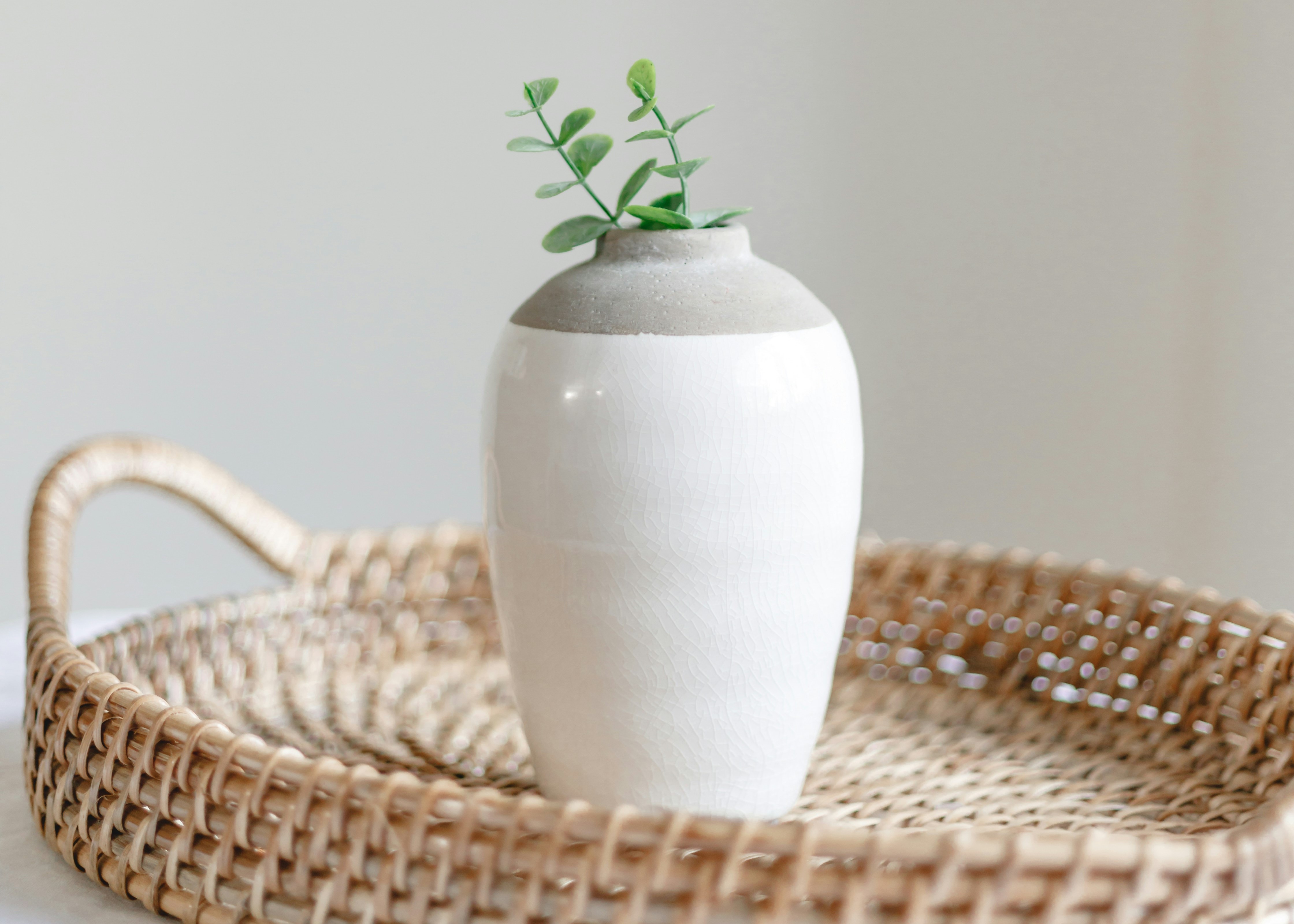
White porcelain Vases
Timeless Elegance. Explore Our Collection of White Porcelain Vases
Add to cart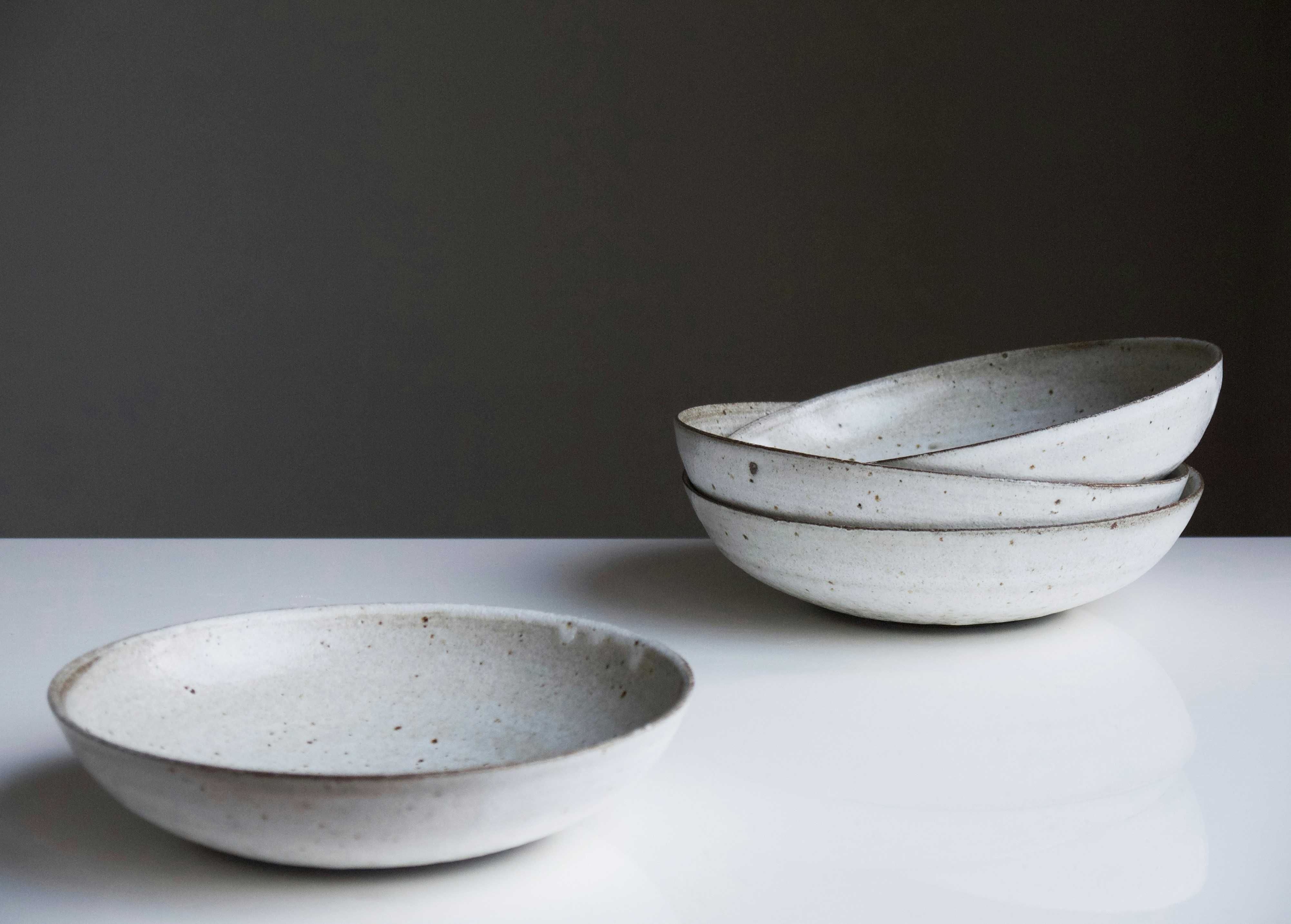
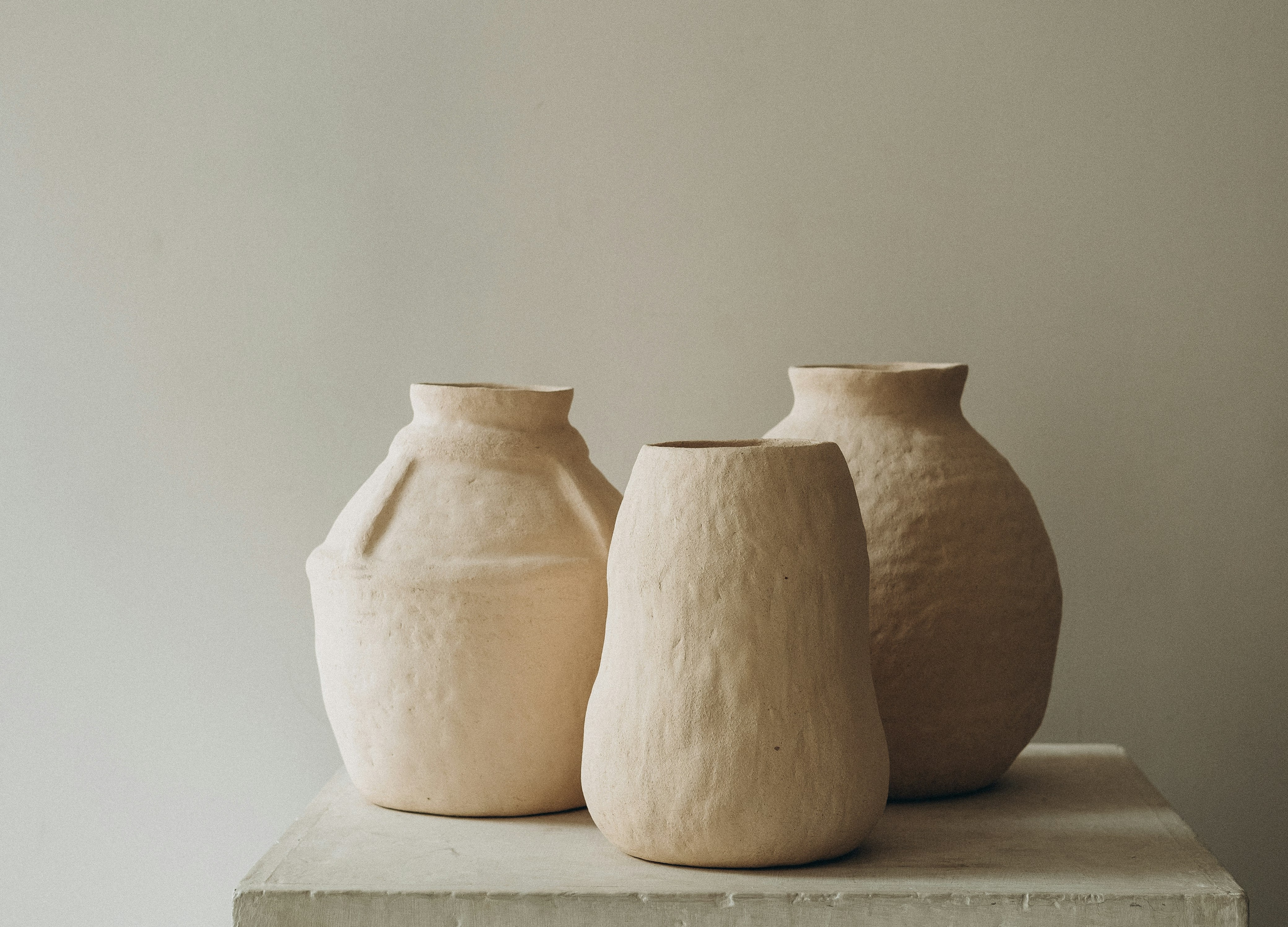
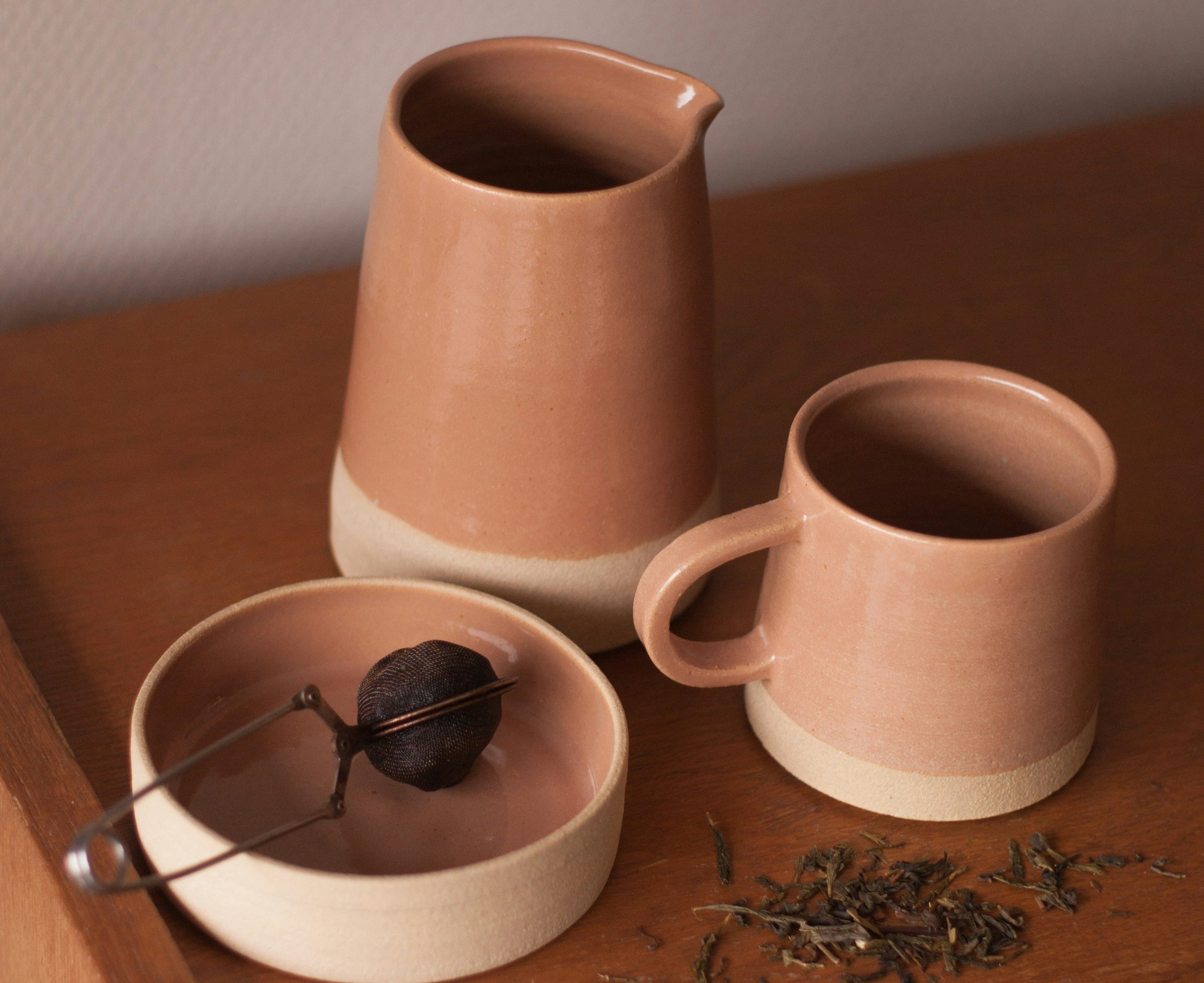
Distress style salad plates
Distressed Yet Delightful: Discover Our Salad Plates with Character
Add to cart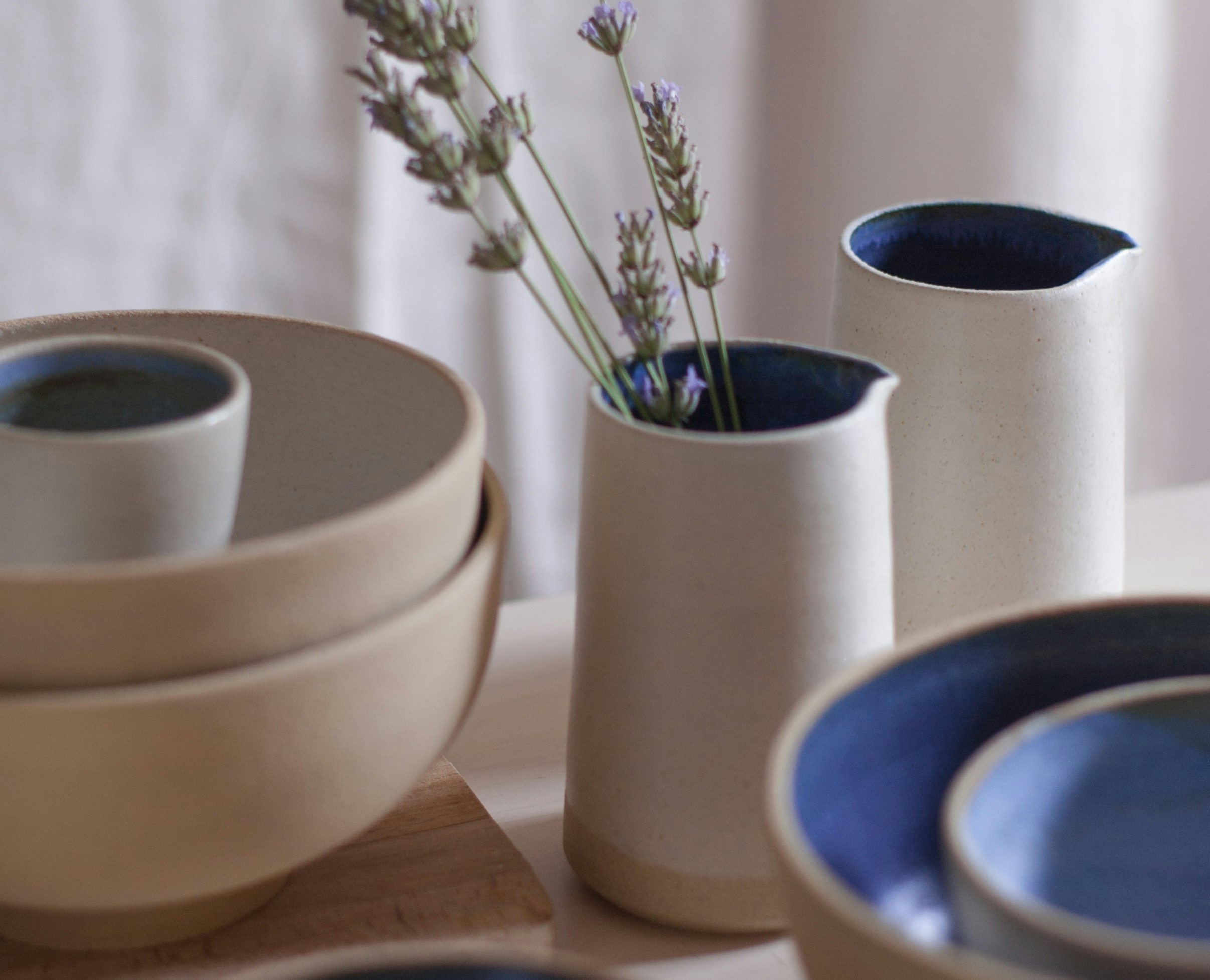
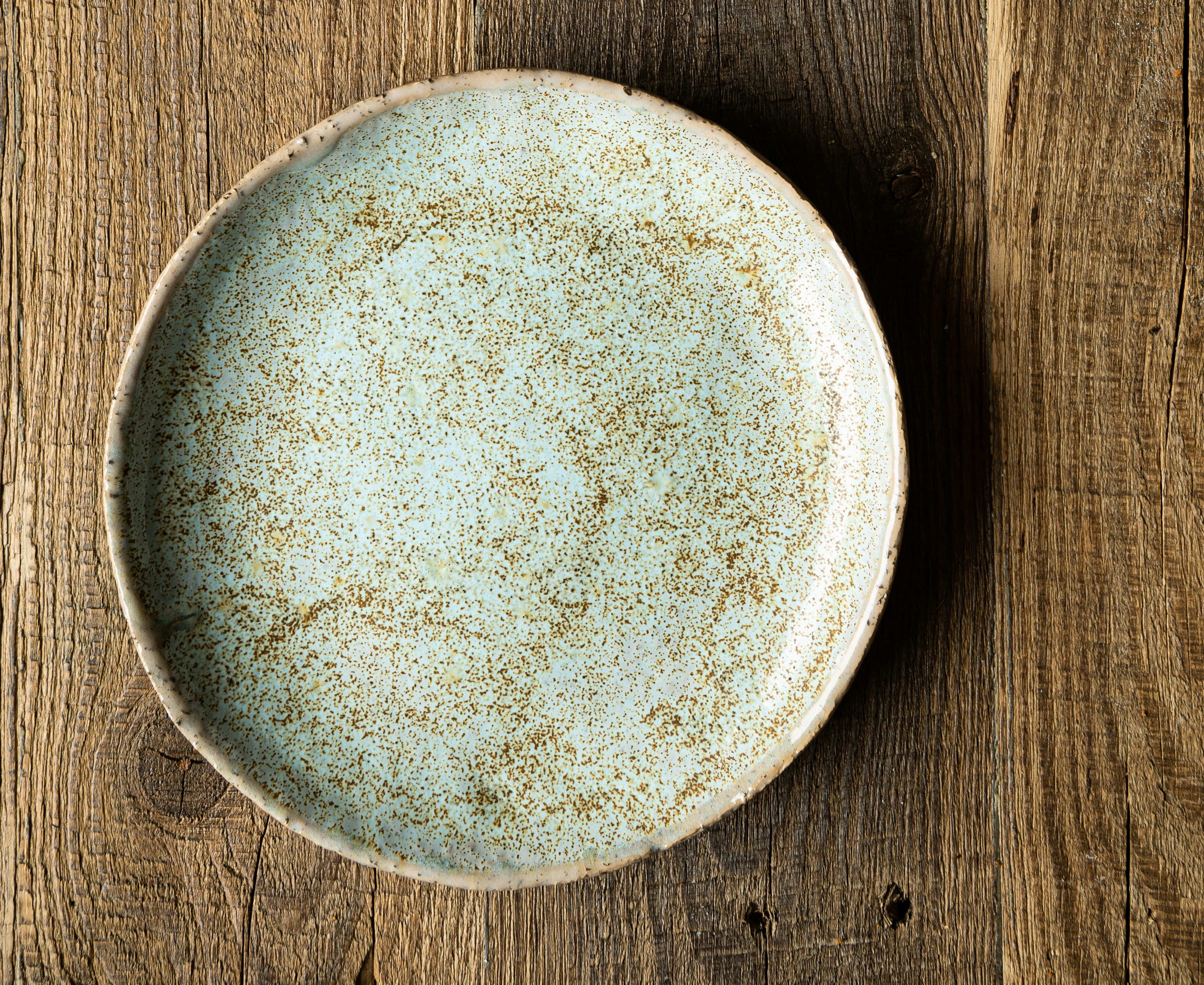
Greek style dinner plates
Indulge in Tradition: Unearth the Beauty of Greek Style Dinner Plates
Add to cart5 Essential Characteristics and Uses

Inorganic Material
Ceramic is an inorganic, non-metallic material primarily composed of compounds such as clay, silica, and alumina. Its inorganic nature contributes to its durability and resistance to heat and corrosion.

Versatile Applications:
find extensive use in various industries, including construction (tiles, bricks), electronics (insulators, capacitors), aerospace (thermal protection), medicine (dental implants), and art (pottery, sculpture).

High Heat Resistance
One of ceramic's key properties is its ability to withstand high temperatures without deforming or melting. This makes it ideal for applications such as kiln linings, engine components, and cookware.

Electrical Insulation
This property makes them essential for electronic devices, where they are used in insulating substrates, capacitors, and resistors.

Decorative and Aesthetic Qualities
. Artisans and designers leverage its versatility to create decorative objects, tiles, pottery, and jewelry, showcasing its beauty and craftsmanship.
Experience your first class
Join the class and start your first therapy moment in a peaceful learning journey!"
Enjoy our insights stories
We want to take a moment to express our gratitude for taking the time to explore our website. we believe that eramic products play a crucial role in the aesthetic appeal, functionality, and sustainability of urban spaces. From traditional clay bricks to innovative ceramic tiles, these versatile materials offer a wide range of benefits for architects, urban planners, and designers.
Read more